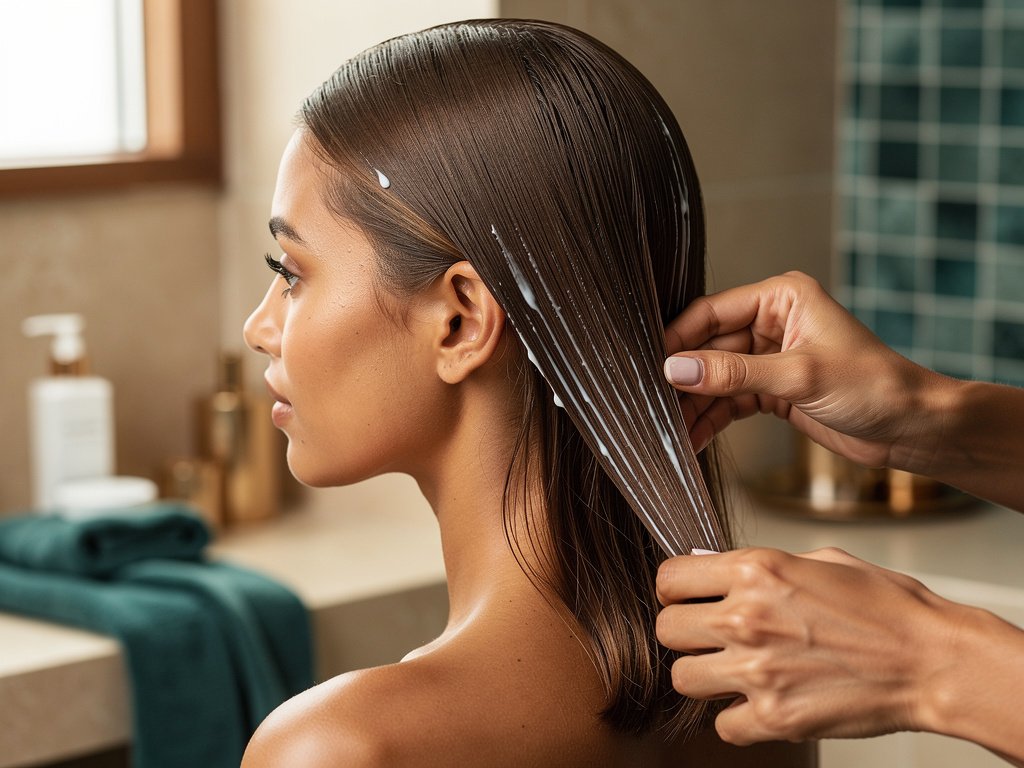
Updated September 2026
Best Keratin for Fine Hair (2026)
Lightweight keratin for fine hair — micro-dose leave-ins that smooth without flattening roots.
Compare options
Side-by-side comparison
Sort by rating, price, or specs to find the best fit for fine hair.
| Product | Buy | |||||
|---|---|---|---|---|---|---|
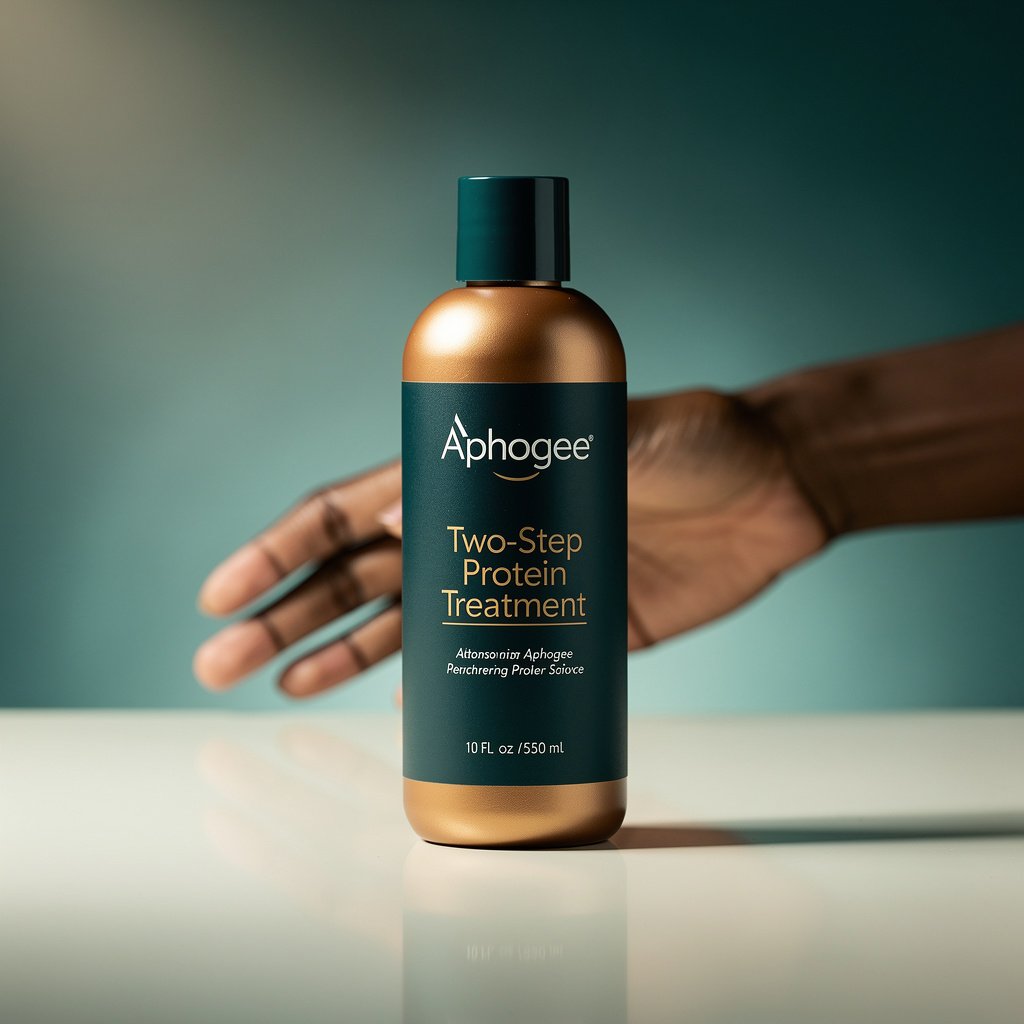 Aphogee Two-Step Protein Treatment Aphogee | $26.00 | 4.6/5 | Protein treatment | 16 fl oz | As needed | Amazon ↗ |
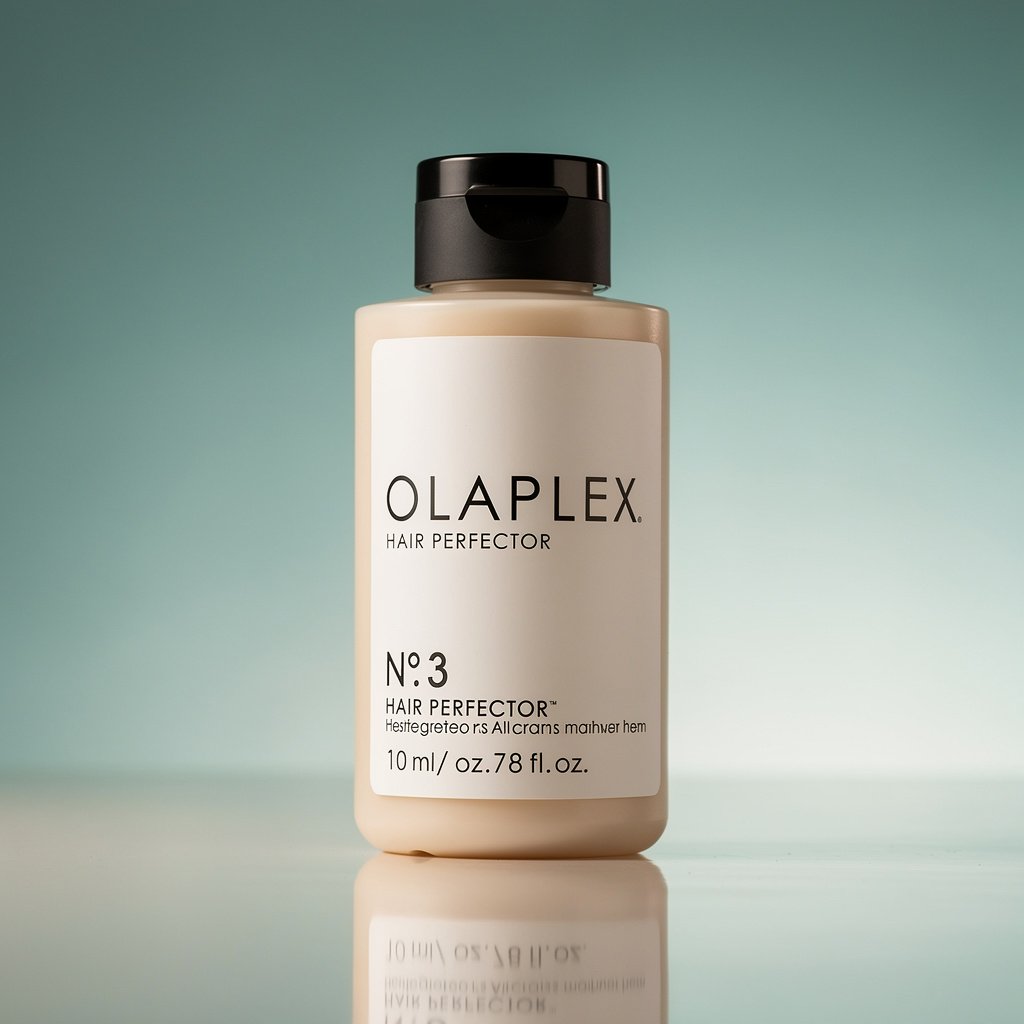 Olaplex N°.3PLUS Complete Repair Treatment Olaplex | $29.00 | 4.6/5 | Bond treatment | 3.3 fl oz | Weekly | Amazon ↗ |
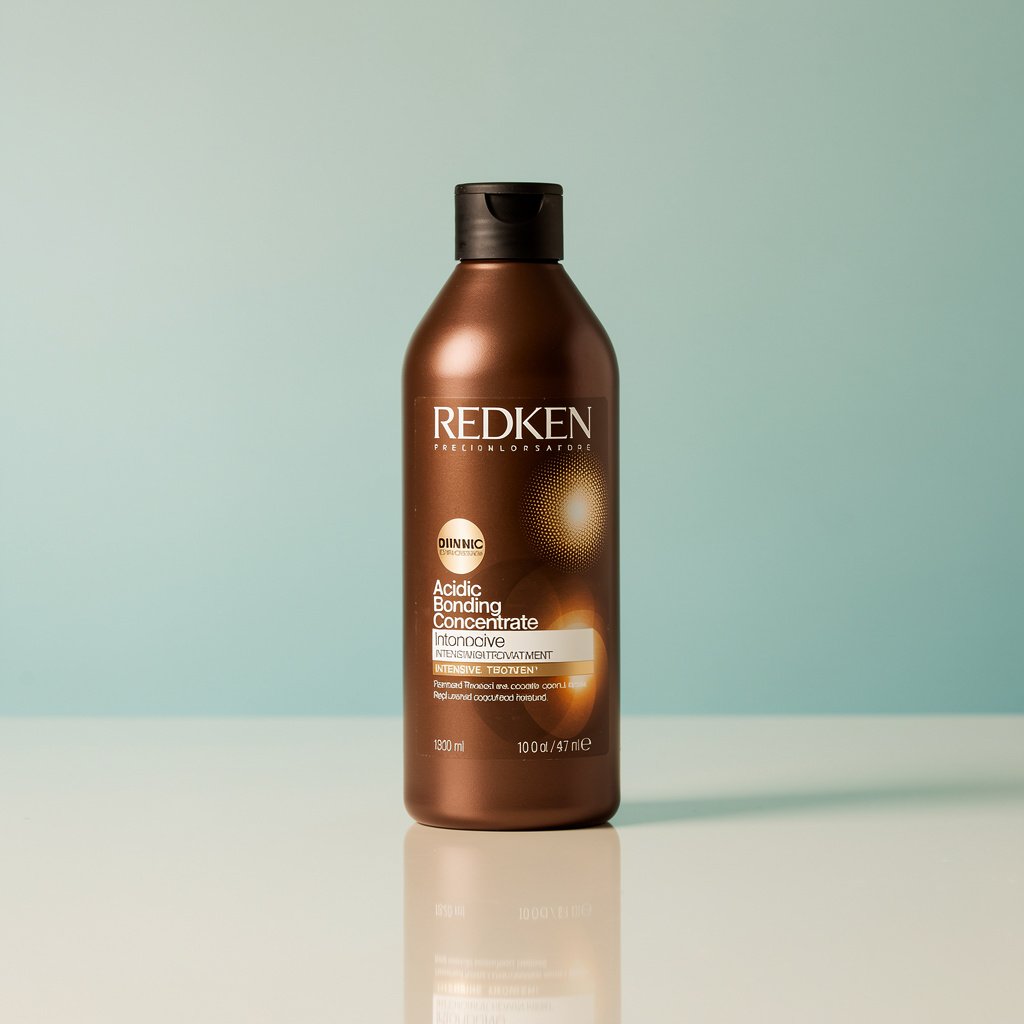 Redken Acidic Bonding Concentrate Leave-In Conditioner Redken | $36.00 | 4.5/5 | Leave-in | 5.1 fl oz | 1–2× weekly | Amazon ↗ |
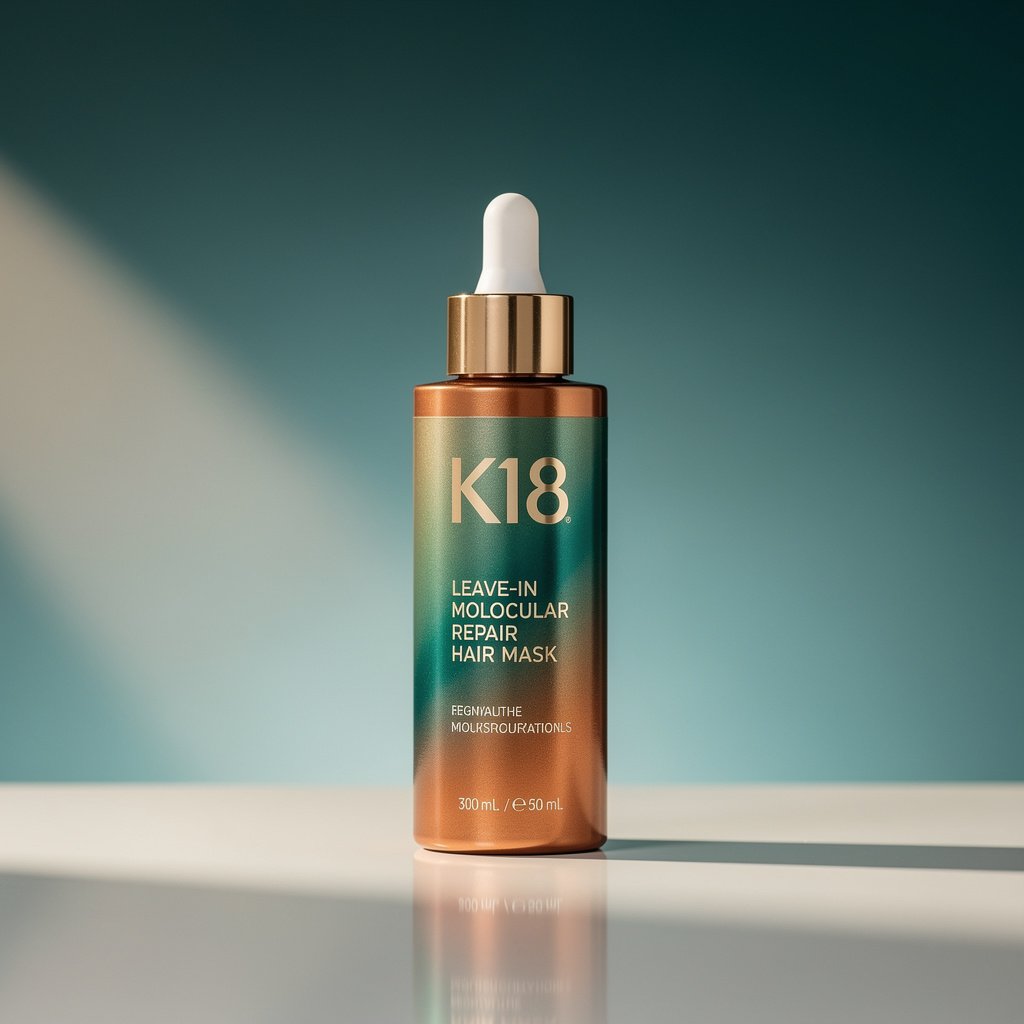 K18 Leave-In Molecular Repair Hair Mask K18 | $75.00 | 4.3/5 | Leave-in mask | 50 ml | 4–6 uses then maintain | Amazon ↗ |
Keratin can be a strong match for fine hair when your routine targets strength without collapse or greasy roots. We ranked the options above by realistic handling improvements — less snagging, better wet strength feel, and routines people can repeat — not by miracle density claims.
Keratin is used for temporary cuticle fill and smoother handling on stressed lengths. On fine hair, that matters because pea-sized leave-ins; short rinse-out contact; keep cream off roots. The main overuse risk is coated, heavy, or stiff feel when layered daily on fine hair. Keratin leave-ins are not the same as salon keratin smoothing services.
Why keratin for fine hair
Start with the lightest effective format, then increase contact time only if hair still feels mushy-weak after two wash cycles. Micro-dose leave-ins only — daily keratin creams weigh fine hair down. Track stiffness versus stretch — both are data.
How we ranked these picks
Each product was scored for:
- Texture fit — Compatible with fine hair without forcing extra wash days?
- Dose control — Can you apply a measured amount without overcoating?
- Recovery — Does hair feel better after rinsing/conditioning, not armored?
- Review consistency — Repeat themes about slip, scent, and stiffness — not one-week rating spikes.
Application routine for fine hair
Treatment days: Apply on clean, towel-dried hair unless the label says otherwise. Focus mid-lengths and ends for length products; use a dropper for scalp serums. Time the contact window; do not “leave it longer for more results” with strong protein-style formulas.
Follow-up: If hair feels stiff, add a moisturizing mask or leave-in before sealing lightly. Detangle with fingers or a wide-tooth tool. Risk to watch on fine hair: stiff films and flat roots from overcoating.
Maintenance: Reassess after two wash cycles. Strength is a trend over weeks, not a single shiny photo. Set cadence with how often to use protein treatments when protein is in the mix, or weekly gentle bond care when chemical stress leads.
Dosage quick reference
| Step | Starting point for fine hair | Adjust if… |
|---|---|---|
| Amount | Follow label; start on the low end | Still mushy → slight increase next time |
| Contact | Label minimum first | Straw feel → shorten and moisturize |
| Frequency | Every 2–4 weeks (strong) or weekly (gentle) | Breakage continues → check handling/heat too |
| Zone | Lengths first unless scalp formula | Root grease/flatness → keep off scalp |
Product trade-offs on this shortlist
- Intensive reconstructors deliver a hard reset but punish fine hair if over-timed.
- Bonding systems help when chemical stress and stretch show up together.
- Lightweight leave-ins win for maintenance when stiff films and flat roots from overcoating is already a concern.
- Cream formats need careful root avoidance on fine or oily profiles.
Choosing between these products
- Pick bond builders after chemical or heat stress — see bond builder hub.
- Pick protein when wet stretch is excessive — see protein hub.
- Pick peptides/biotin leave-ins for lightweight daily support.
- Pick rice water / collagen styles when you want a treatment ritual with moisture follow-up.
- Compare rinses in rice water vs protein before stacking.
When to try a different active
Switch (or reduce frequency) if after two weeks you see:
- Persistent crunch or snap when dry
- Greasy roots with no length improvement
- Irritation from fragrance or scalp serums
- No change because breakage is mostly mechanical (tight styles, heat, rough towel drying)
Internal next steps: Best Hair Strength, how to strengthen hair, and the Keratin hub. For oil sealing after strength care, see Hair Oils. For concern serums, see Hair Serums.
Two-week checklist
Use this checklist so you do not change five variables at once:
- Confirm the stretch-vs-stiff diagnosis on wash day one.
- Apply only this active at the dose in the table above.
- Keep heat to one or two sessions while evaluating.
- Note crunch, flat roots, or remaining mushy stretch after wash day two.
- Adjust cadence — do not immediately add keratin, rice water, and protein together.
Link back to how to strengthen hair if the diagnosis is still unclear, and to Best Hair Strength for the eight-ingredient glance table.
Editor notes on information gain
Unique value on this page is the hair-type-specific dose table, the ranked product shortlist above, and the trade-offs for texture fit. Generic “use protein for strength” advice without dose and cadence is how routines become crunchy. Reassess honestly after two wash cycles before declaring a product a failure.
Frequently Asked Questions
How often should I use keratin on fine hair?
Most people with fine hair start every 2–4 weeks for strong treatments or weekly for gentler leave-ins, then adjust after two wash cycles based on stiffness versus mushy stretch.
Should keratin go on scalp or lengths for fine hair?
Length treatments focus on mid-lengths and ends. Scalp serums belong on a clean scalp. Avoid heavy length products at the roots if fine hair gets greasy or flat.
What if keratin makes fine hair feel stiff?
Reduce frequency, shorten contact time, and add a moisturizing mask. Stiffness usually means too much reinforcement for your current porosity balance.
Can cosmetic strength products regrow hair?
No. These picks support handling and breakage from styling stress. Sudden or patchy thinning needs professional evaluation.
Where to go next
Related guides
Keep exploring
A couple of related pairings — one other ingredient for this hair profile, and the same ingredient on one other hair type.
Another ingredient for fine hair
Keratin on another hair type
Get weekly ingredient recommendations
Concise routines, product updates, and new ingredient + hair type guides — matched to your hair goals.