How-To
Bond Building Guide for Damaged Hair
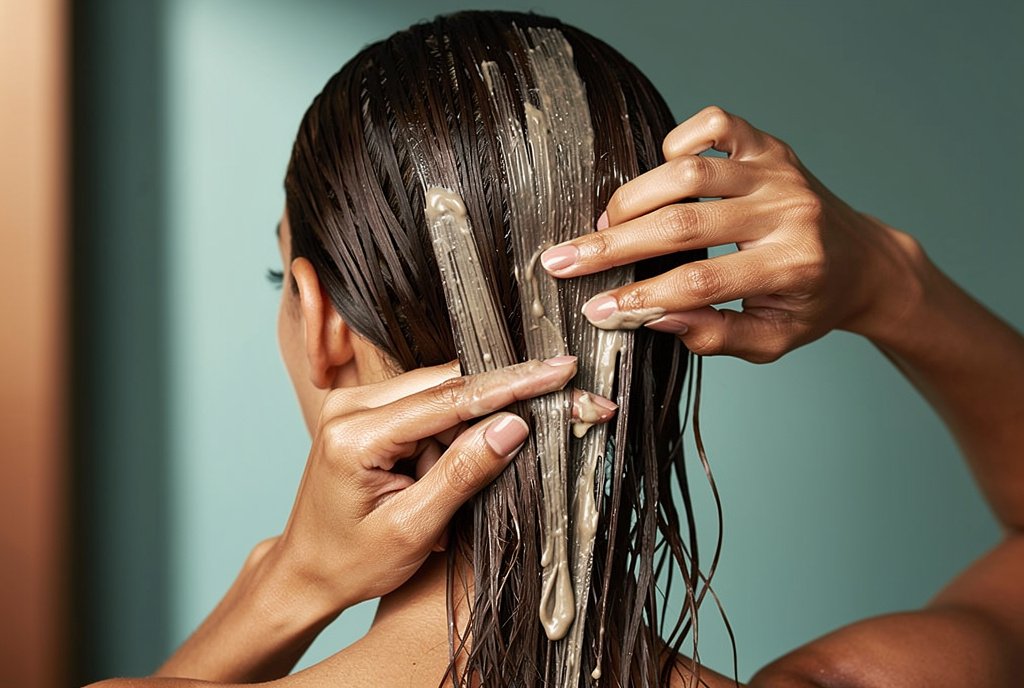
When bond builders help after color or heat, how they differ from protein, and how to fit them into wash day.
Updated September 2026
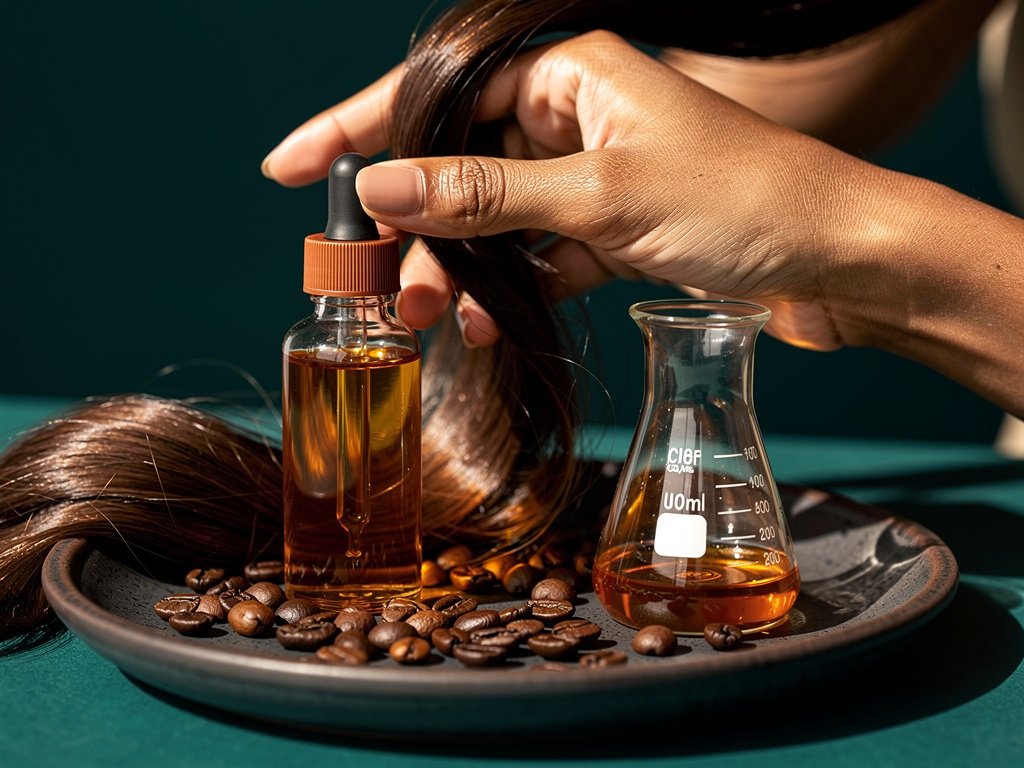
Caffeine in scalp-comfort strength routines — keep roots clean, strengthen lengths separately, and cross-link growth serums.
Caffeine shows up in strengthening routines because it is associated with scalp-comfort and root-focused leave-on routines in strength marketing. That does not mean every bottle will transform density overnight. Results depend on format (rinse-out vs leave-in vs intensive treatment), dose, and whether your hair currently needs reinforcement or moisture.
Use this hub to understand the role of caffeine, then open the hair-type guides for product comparisons and routines. Start with the commercial map at Best Hair Strength and the diagnosis framework in how to strengthen hair.
Caffeine is best treated as a targeted tool. On the right hair, it can improve handling, reduce mushy stretch or chemical fragility feel, or support ends that snag and snap. On the wrong hair — or at the wrong frequency — it can create stiffness, dullness, or buildup that needs clarifying and moisture recovery.
Cosmetic strength products do not regrow hair or treat alopecia. Sudden or patchy thinning needs professional evaluation.
| Signal | Choose Caffeine? | Otherwise try | Next guide |
|---|---|---|---|
| Matches scalp-comfort and root-focused leave-on routines in strength marketing | Yes — start light | — | Priority links below |
| Mushy wet stretch dominates | Maybe after protein/bond | Protein hub | /types/protein/ |
| Bleach/color fragility leads | Bond first | Bond builder hub | /types/bond-builder/ |
| Already stiff / crunchy | No — moisturize first | Pause hardeners | How to strengthen |
| Format | Best when… | Watch for… | Starting cadence |
|---|---|---|---|
| Rinse-out treatment | Controlled weekly or biweekly reset | Leaving it on too long | Every 2–4 weeks |
| Leave-in | Daily slip and light reinforcement | Layering on coated hair | 1–2× weekly |
| Intensive / concentrated | High need after assessment | Crunch on fine hair | Every 3–4 weeks on fine |
| Mask | Dry ends that also need strength | Skipping moisture after | Alternate moisture masks |
Pick the guide that matches your texture first. Fine hair usually needs lighter films and shorter contact. Thick or curly hair can often tolerate richer reinforcement if moisture follows. Color-treated and dry/damaged hair often benefit from bond care before aggressive hardeners — bleached hair maps to those same profiles.
| Focus | Why open it | Link |
|---|---|---|
| Fine hair | Open guide | Caffeine for fine hair |
Priority deep-dives:
When we compare picks across matrix pages, we score texture fit, dose control, recovery after rinse, and review consistency — not miracle density claims. Intensive formulas reset harder but punish fine hair if over-timed. Lightweight leave-ins win for maintenance. Bonding systems help when chemical stress and stretch show up together.
Browse the six hair-type recommendations on this layout, then return to Best Hair Strength. For oil sealing after strength care, see Hair Oils. For growth-concern serum formats, see Hair Serums. Humidity frizz systems live on Frizzy Hair.
Wash day A: gentle cleanse → short Caffeine or light leave-in → moisture if any squeak → air-dry or low heat. Midweek: finger-detangle only. Wash day B: moisture-forward unless stretch is still mushy. Keep cream products off the roots.
Wash day A: cleanse → sectioned Caffeine treatment with label timing → conditioner → stylers. Midweek: refresh without hard brushing. Wash day B: moisture mask; add Caffeine only if curl bends still collapse when wet.
Prefer bond care the week of or after chemical services. Introduce Caffeine only when wet stretch remains mushy and the scalp/skin feel calm. Cool water rinses and fewer overlapping hardeners beat stacking protein, keratin, and bond builders in forty-eight hours.
High-porosity lengths often accept reinforcement faster but also dry out faster — moisturize after strength steps. Low-porosity lengths film quickly; shorten contact and clarify when products sit on top. Low-density fine hair fails from weight before it fails from under-treatment, so pea-sized leave-ins beat weekly two-steps until stretch data says otherwise.
Caffeine may support stronger-feeling hair and better handling, but cosmetic products do not guarantee faster growth or reverse medical thinning.
Yes, especially film-forming or protein-adjacent formulas used too often. If hair feels straw-like, add moisture and reduce frequency.
Most people start weekly for gentle leave-ins or every 2–4 weeks for stronger treatments, then adjust after two wash cycles.
Scalp serums belong on a clean scalp. Length treatments and masks usually focus on mid-lengths and ends unless the label says otherwise.
Yes. Use strength actives first when needed, then moisturize and seal lightly. Oil sealing details live on Hair Oils.
Cosmetic caffeine products do not guarantee regrowth or cure alopecia. For growth-intent serums, see Hair Serums; this hub stays on strength-adjacent scalp comfort.
Caffeine is used in leave-ins, treatments, or scalp formulas to support firmer-feeling strands, smoother handling, or resilience — depending on format. It does not replace medical care for sudden thinning.
Follow the product format: masks and protein treatments usually need timed contact and thorough rinsing; leave-ins go on damp mid-lengths and ends; scalp serums use a dropper on a clean scalp.
Ingredient + hair type guides
Each guide pairs this ingredient with a specific hair type for dosage, pros, and product picks.
Further reading
How-to routines and ingredient comparisons that complement this ingredient profile.
When bond builders help after color or heat, how they differ from protein, and how to fit them into wash day.
Reduce mechanical breakage with detangling, heat habits, nighttime care, and the right strength products.
Diagnose breakage vs dryness vs protein overload, then build a weekly strength routine with protein, bond care, or moisture — cosmetic only.
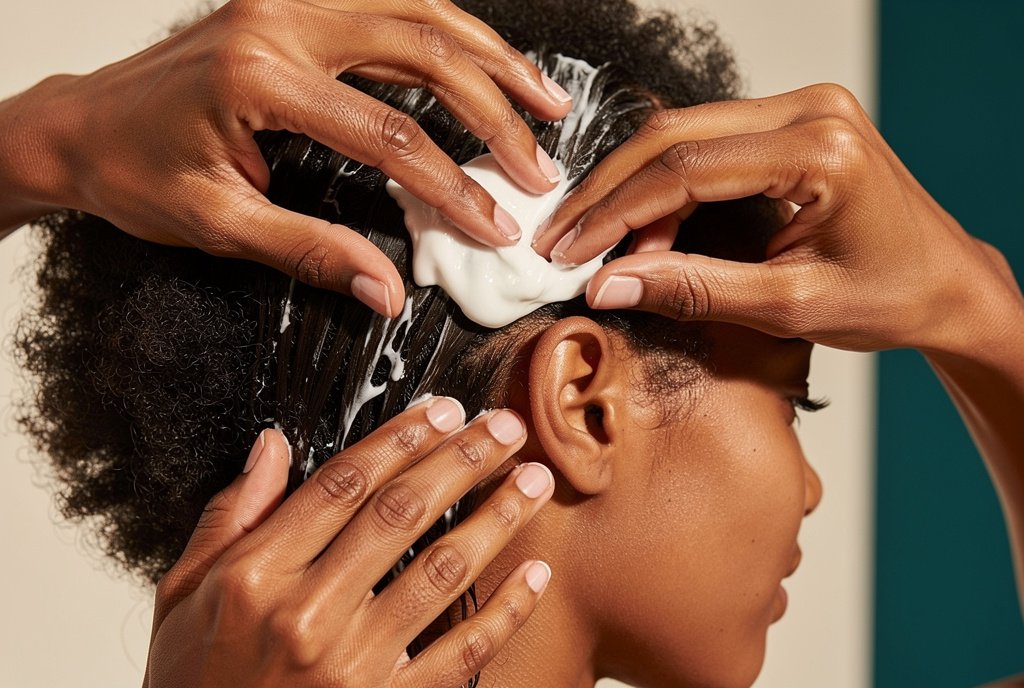
Answer-first protein cadence: every 2–4 weeks for strong treatments, weekly for gentle leave-ins — adjust after two wash cycles.
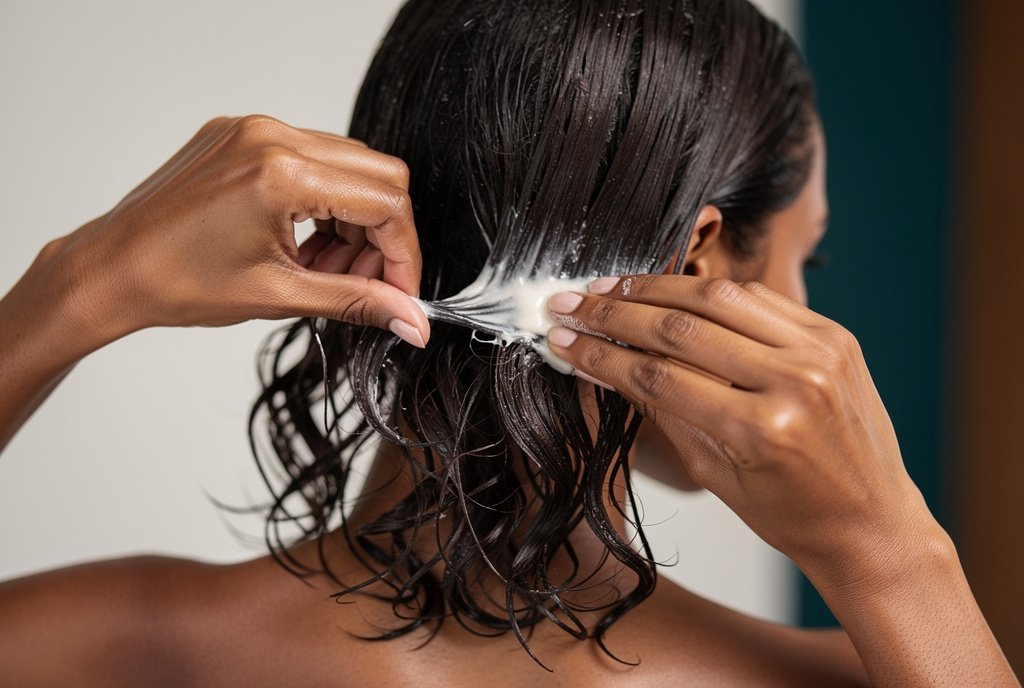
How to run a protein treatment the right way — timing, moisture follow-up, and signs you used too much.
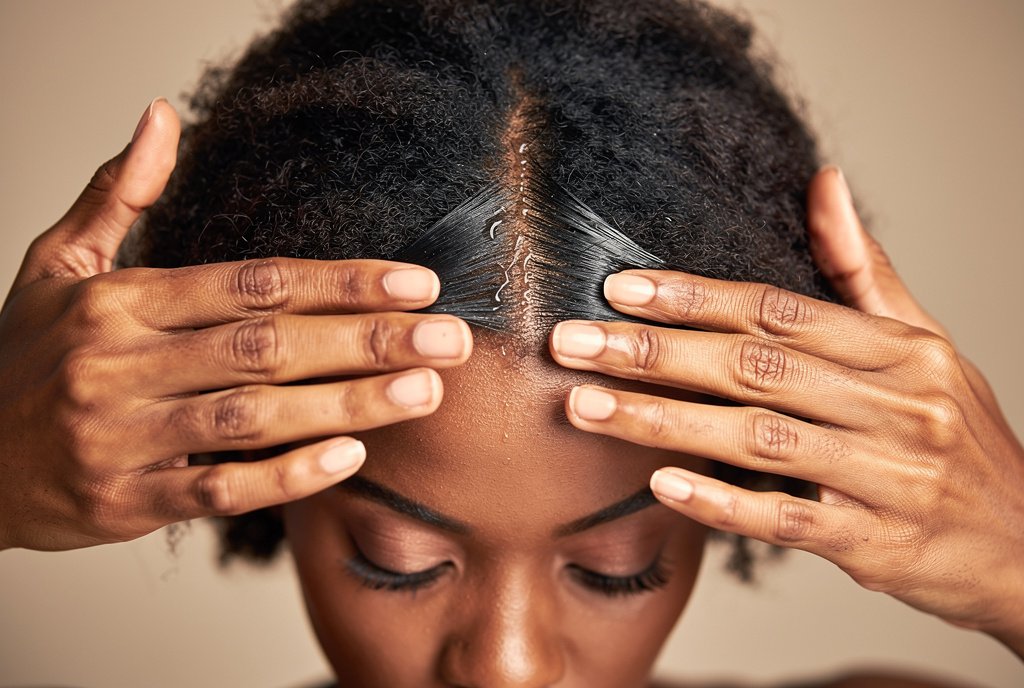
Clean-root habits, caffeine/peptide serums, and when scalp care helps density routines versus length strength.
Concise routines, product updates, and new ingredient + hair type guides — matched to your hair goals.