How to Strengthen Hair (2026 Routine)
Diagnose breakage vs dryness vs protein overload, then build a weekly strength routine with protein, bond care, or moisture — cosmetic only.
Strengthening hair starts with diagnosis, not a random hardener. Most people who search for a hair strengthener are dealing with one of three patterns: lengths that stretch too far and collapse when wet, fibers that feel brittle after color or heat, or strands that already feel stiff and straw-like from too much protein. Matching the product to the pattern — then protecting the result with gentler handling — is what turns a one-wash “feel” into fewer snapped ends over weeks.
This guide keeps claims cosmetic. Topical protein, bond builders, keratin films, and rice-water rinses can change how hair feels and how it survives combing and styling. They do not reverse genetic thinning, cure alopecia, or replace care for sudden patchy shedding. If shedding is sudden, patchy, or accompanied by scalp pain, see a professional first.
Diagnose: breakage vs dryness vs protein overload
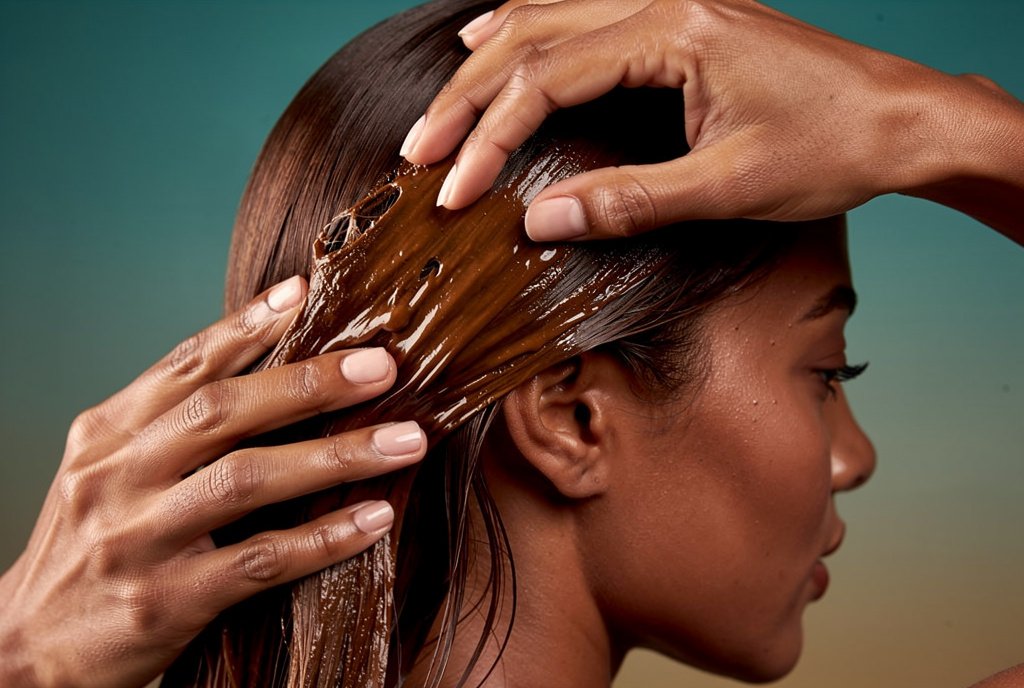
Breakage, dryness, and protein overload feel different in the shower. Spend one wash day on a simple stretch test before you buy another treatment.
| What you feel | Likely pattern | First move | Skip first |
|---|---|---|---|
| Mushy stretch when wet, then snap | Needs reinforcement | Short protein treatment | Heavy daily oils only |
| Color/bleach fragility, rough porosity | Bond stress | Weekly bond treatment | Stacking three hardeners |
| Stiff, straw-like, squeaky | Protein overload / film | Pause protein; deep condition | Another keratin leave-in |
| Snags only at dry ends | Moisture + friction | Moisture mask + light seal | Scalp growth serum alone |
| Roots oily, lengths weak | Split routine | Length protein/bond; clean scalp | Root-heavy cream masks |
Answer-first rule: if wet hair stretches like gum and collapses, start with protein for your hair type. If hair feels fragile after bleach or color, start with bond builders. If hair already feels armored, moisture first — then reassess.
Weekly strength routine table
Use this as a default schedule for two wash cycles, then adjust. Fine hair usually lands on the lighter side of each range; thick or high-porosity curly hair can often tolerate the richer end if moisture follows.
| Day | Fine / low-density | Curly / thick | Color-treated / bleached |
|---|---|---|---|
| Wash 1 | Clarify lightly if coated → short protein or light bond leave-in | Cleanse → protein or bond mask (label time) | Bond treatment first; moisture rinse-out after |
| Midweek | Finger-detangle; micro leave-in on ends | Refresh curls; avoid hard brushing dry | Cool rinse; low heat; silk/satin sleep |
| Wash 2 | Moisture mask if stiff; else gentle protein leave-in | Alternate moisture-forward wash | Bond leave-in or molecular repair step if in rotation |
| Heat / style | Heat protectant; 1–2 heat days max while evaluating | Diffuser or air-dry preferred | Skip bleach touch-ups during evaluation window |
Concrete dose cues: pea-sized leave-in for fine shoulder-length hair; teaspoon-range rinse-outs for thick sections; never “extra minutes” on strong protein because longer contact equals more strength — it usually equals crunch.
Choose your active: protein, bond, or rice water
Each active answers a different failure mode. Protein fills and reinforces when wet stretch is excessive. Bond builders target chemically or heat-stressed fiber feel after processing. Rice water is a rinse/treatment ritual that can firm handling for some textures but turns crunchy when overused — especially on fine or low-porosity hair.
- Start protein deep-dives with best protein for fine hair if strands flatten easily, or best protein for curly hair if curl bends snap between wash days.
- Start bond care with best bond builder for dry & damaged hair or color-treated hair after bleach or lightening.
- Compare rinse rituals in rice water vs protein before stacking both on one wash day.
Cadence detail lives in how often to use protein treatments. Browse the full ingredient map on Best Hair Strength.
Step-by-step wash-day strength protocol
- Cleanse enough to remove buildup so treatments can contact the hair — shampoo on damp hair first if oils or silicones are layered.
- Apply the chosen strength product with a measured amount and the label’s contact window.
- Rinse thoroughly when required; do not extend strong protein for “more results.”
- Follow with moisture if hair feels rigid, squeaky, or straw-like.
- Detangle gently with fingers or a wide-tooth tool while hair is slippery.
- Reduce heat for the evaluation window and track results across two wash cycles before switching products.
Mistakes that keep hair weak
- Chasing density or regrowth claims instead of breakage reduction and wet-strength feel
- Ignoring tight styles, rough towels, high heat, and pillow friction
- Using scalp serums as a substitute for length repair (growth-intent scalp serums live on Hair Serums when that is the real goal)
- Sealing with heavy oils before fixing stretch imbalance — oil sealing guidance belongs on Hair Oils
- Humidity frizz systems without strength diagnosis — see Frizzy Hair when frizz is the primary complaint
- Skipping professional care for sudden patchy shedding
FAQ network: strengthen, strengthener, strengthening
What people mean by “hair strengthener.” Usually a protein treatment, bond builder, or keratin leave-in marketed for less breakage. Read the texture and contact time, not the hero claim on the front label.
How to strengthen hair without making it crunchy. Diagnose first, use the lightest effective format, follow with moisture, and wait two wash cycles. Fine hair especially benefits from lightweight films that will not stiffen — that is why the fine-hair protein and rice-water guides emphasize dose control.
When bleached hair needs a different path. Map bleached or chemically processed hair to color-treated and dry-damaged routines: bond care first, then optional light protein if mushy stretch remains. Do not invent a separate “bleached” product category — the care pattern is the same as processed porosity.
Next: open Best Hair Strength for the eight-ingredient glance table, or jump straight to protein, bond builder, or rice water hubs.
Frequently Asked Questions
What is a hair strengthener?
A hair strengthener is a cosmetic product — protein treatment, bond builder, keratin leave-in, or similar — meant to improve handling and reduce snap feel. It does not regrow hair or treat medical alopecia.
How do I strengthen hair at home?
Assess stretch vs snap first, then pick protein for mushy wet stretch, bond care after color/bleach stress, or moisture if hair feels stiff. Pair with gentler handling for two to eight weeks.
How long until a strength routine shows results?
Handling can improve in one wash. Breakage trends usually need two to eight weeks of consistent care and gentler styling.
Should I use protein and bond builders together?
You can in a sequenced routine, but do not stack every hardener on the same day. Assess feel after each change.
Can strengthening products fix sudden patchy thinning?
No. Sudden or patchy shedding needs a professional evaluation. Cosmetic strength routines support fiber feel — they do not replace medical care.
Is bleached hair the same as dry-damaged hair?
Bleached and heavily processed hair often behaves like color-treated and dry-damaged profiles. Start with bond care, then add light protein only if wet stretch stays mushy.
Related Articles
Bond Building Guide for Damaged Hair
When bond builders help after color or heat, how they differ from protein, and how to fit them into wash day.
Breakage Prevention Routine That Actually Helps
Reduce mechanical breakage with detangling, heat habits, nighttime care, and the right strength products.
How Often to Use Protein Treatments
Answer-first protein cadence: every 2–4 weeks for strong treatments, weekly for gentle leave-ins — adjust after two wash cycles.